
SPEAKER DRIVER MANUFACTURER · OEM / ODM
Full-Range Speaker Drivers for OEM & ODM Projects
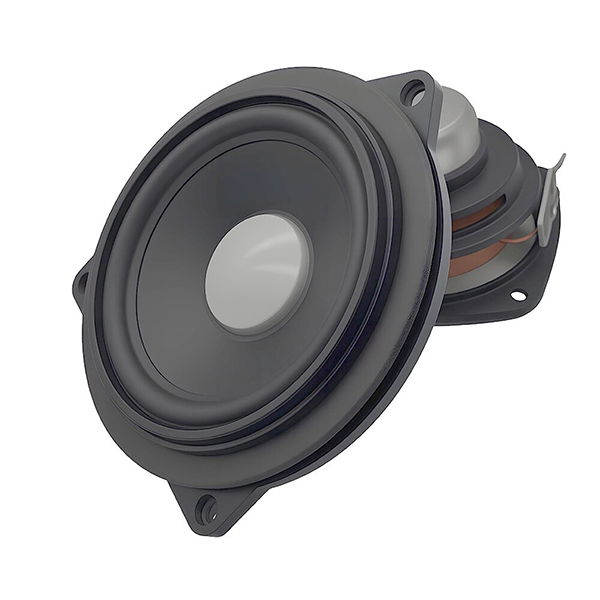
ZEH designs and manufactures full-range speaker drivers around your product's available space, amplifier and sound requirements. Start with an existing design or discuss a customized driver, from engineering samples through production.
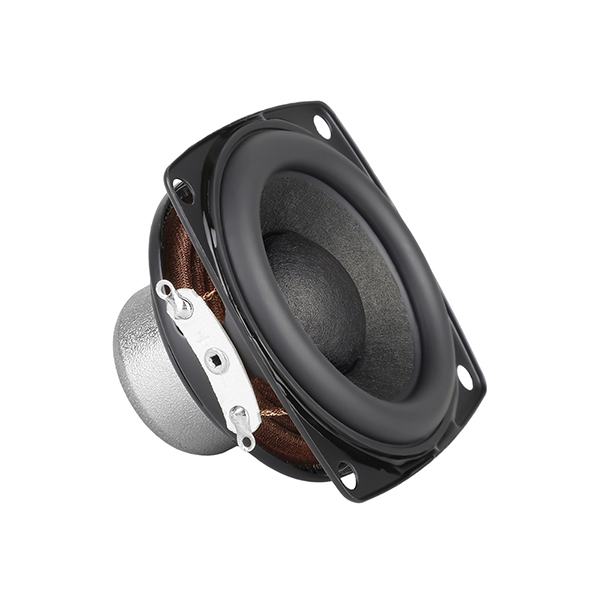
Showing 1–9 of 31 designsOEM / ODM customization


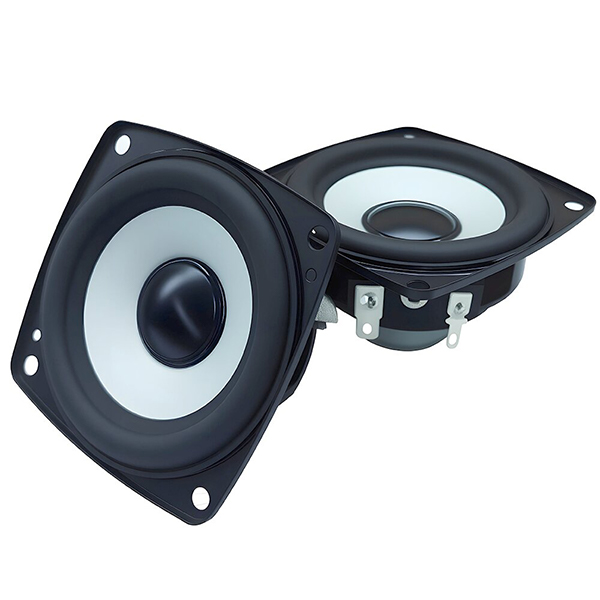
CUSTOMIZATION CAPABILITIES
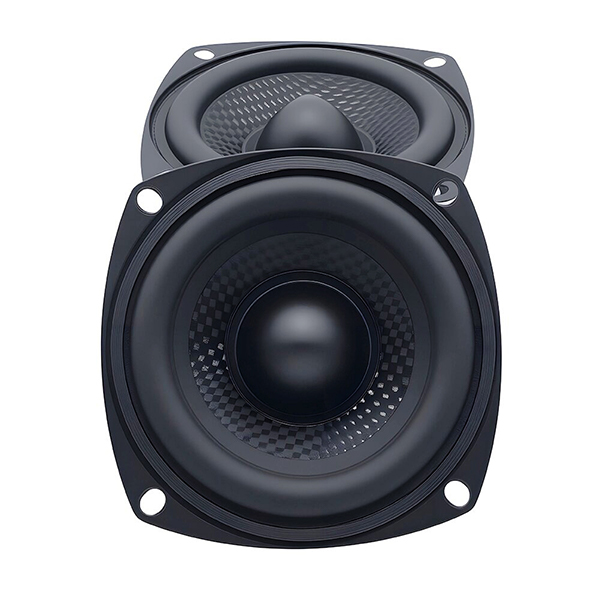
Configure the Speaker Around Your Product
Start with the requirements that matter to your assembly. We can review individual driver changes or a speaker, enclosure and connection package.
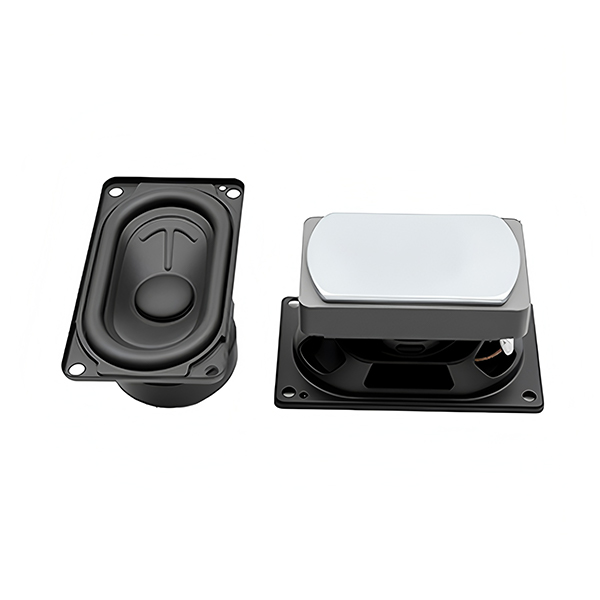
Fit the Available Installation Space
Share the internal dimensions, mounting points and sound-outlet position. We review the frame, magnet and installation depth against your housing before recommending a driver.
- Outside dimensions
- Overall height
- Mounting depth
- Hole positions
- Sound outlet
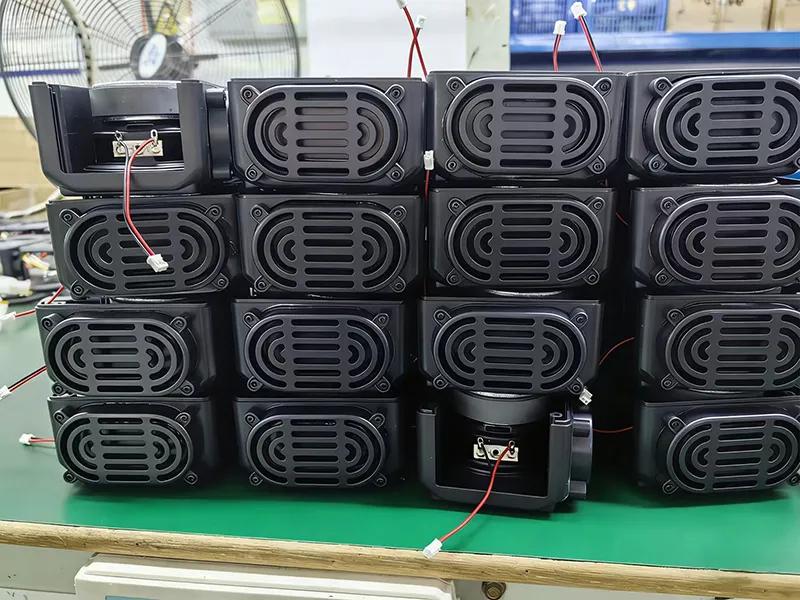
Choose a Structure That Fits Your Housing
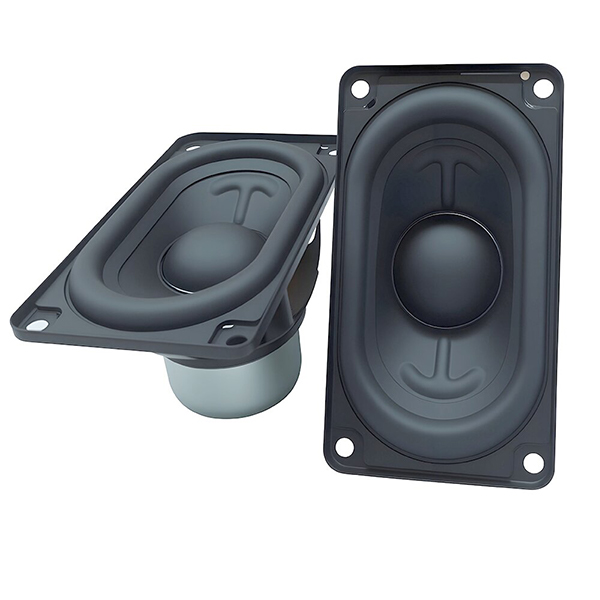
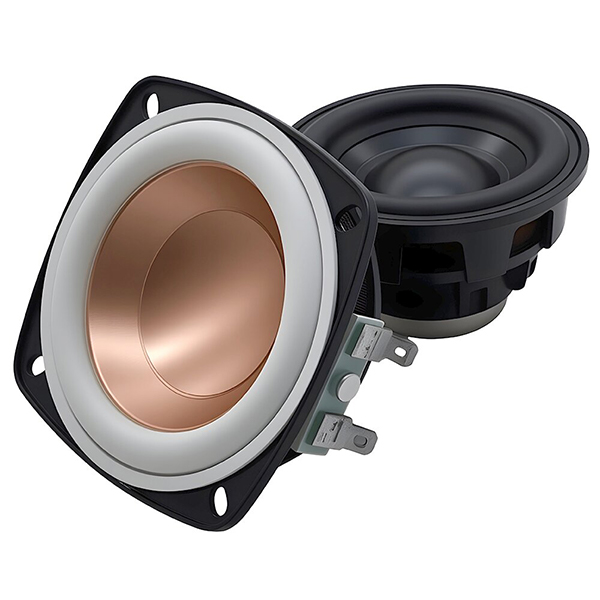
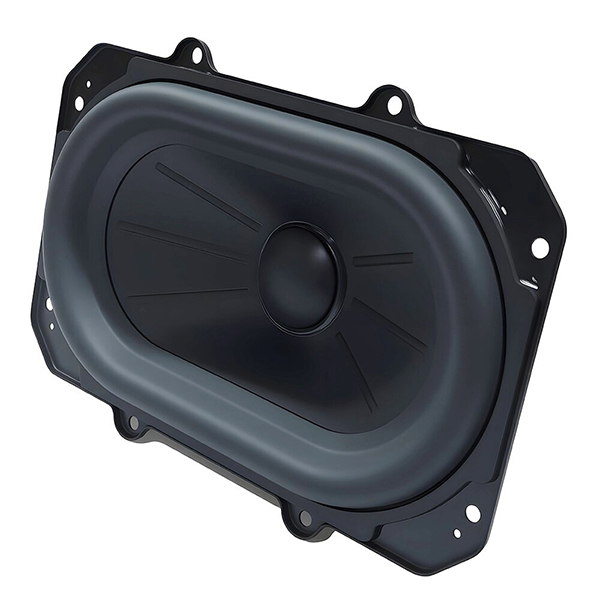
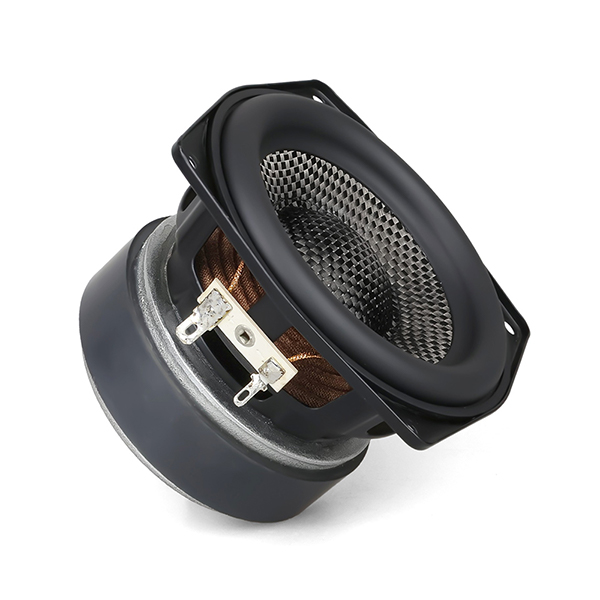
Round, rectangular, oval and low-profile structures offer different ways to use the space inside a product. Mounting features, gaskets and lead positions can be reviewed alongside the assembly method.
- Round or rectangular frame
- Low-profile structure
- Mounting tabs
- Gaskets and sealing
- Lead orientation
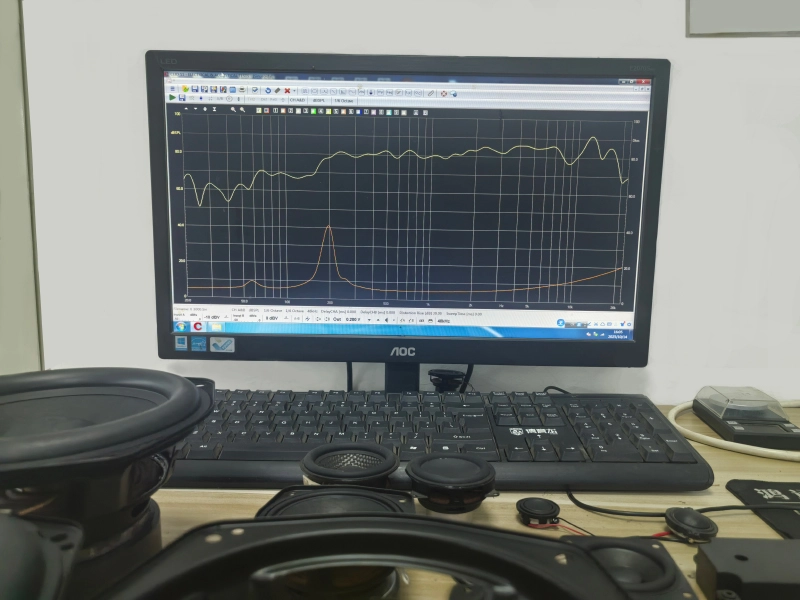
Match the Driver to Your Amplifier and Sound Target
Impedance, rated power, sensitivity and frequency response need to work together. We assess the listening distance, enclosure and amplifier conditions when discussing the required acoustic performance.
- Nominal impedance
- Rated power
- Sensitivity / SPL
- Frequency response
- Resonant frequency
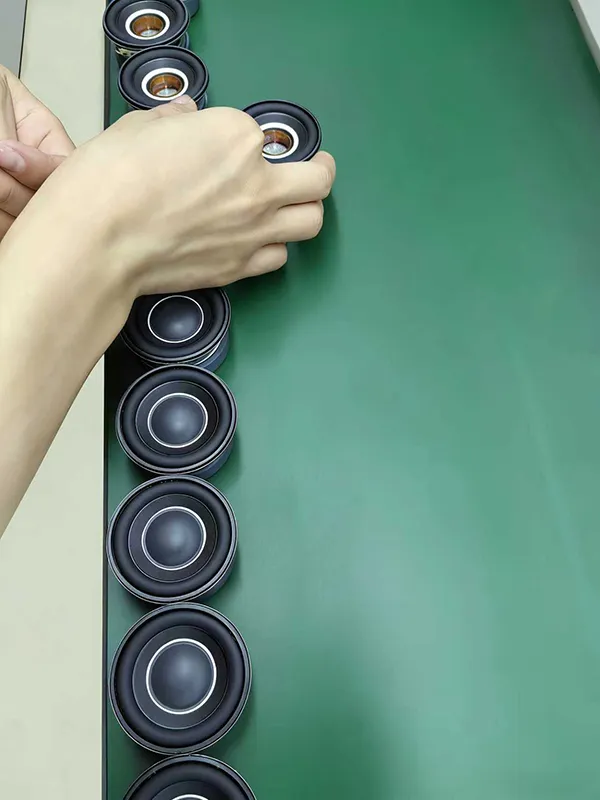
Select Materials for Sound and Operating Conditions
Diaphragm, surround, frame and magnet choices affect sound, size, weight and cost. Material options can be evaluated against the intended environment and the performance required from your device.
- Diaphragm material
- Surround material
- Frame construction
- Ferrite or neodymium magnet
- Environmental requirements

Bring the Driver, Enclosure and Connections Together
For a ready-to-assemble module, we can review the speaker with the acoustic cavity, grille, wiring and connector. This helps identify mounting, sealing and amplifier-matching requirements before production.
- Acoustic enclosure
- Speaker grille
- Wire length
- Connector selection
- Assembly compatibility
APPLICATION ENGINEERING
Full-Range Speakers for Integrated Devices
The starting point is your device's space, listening conditions and operating environment. These are some of the requirements we review for different projects.
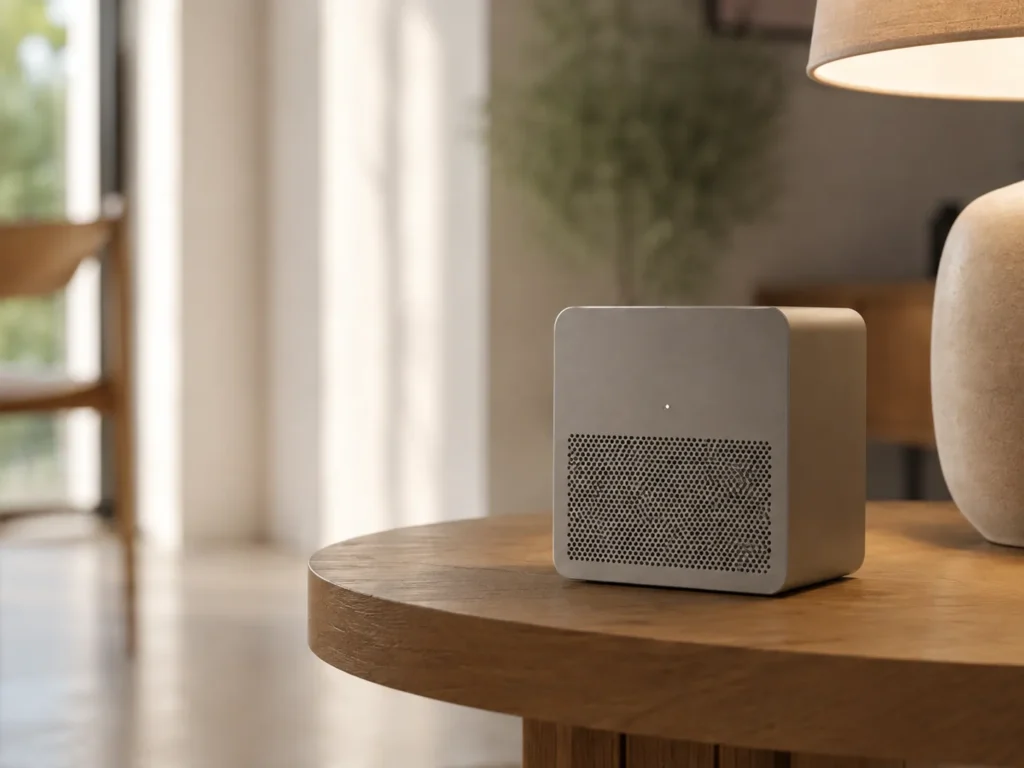
AI Voice & Smart Devices
Clear speech in a compact housing requires the driver, acoustic cavity and sound outlet to work together. Share the amplifier output and microphone arrangement so we can review the complete acoustic layout.
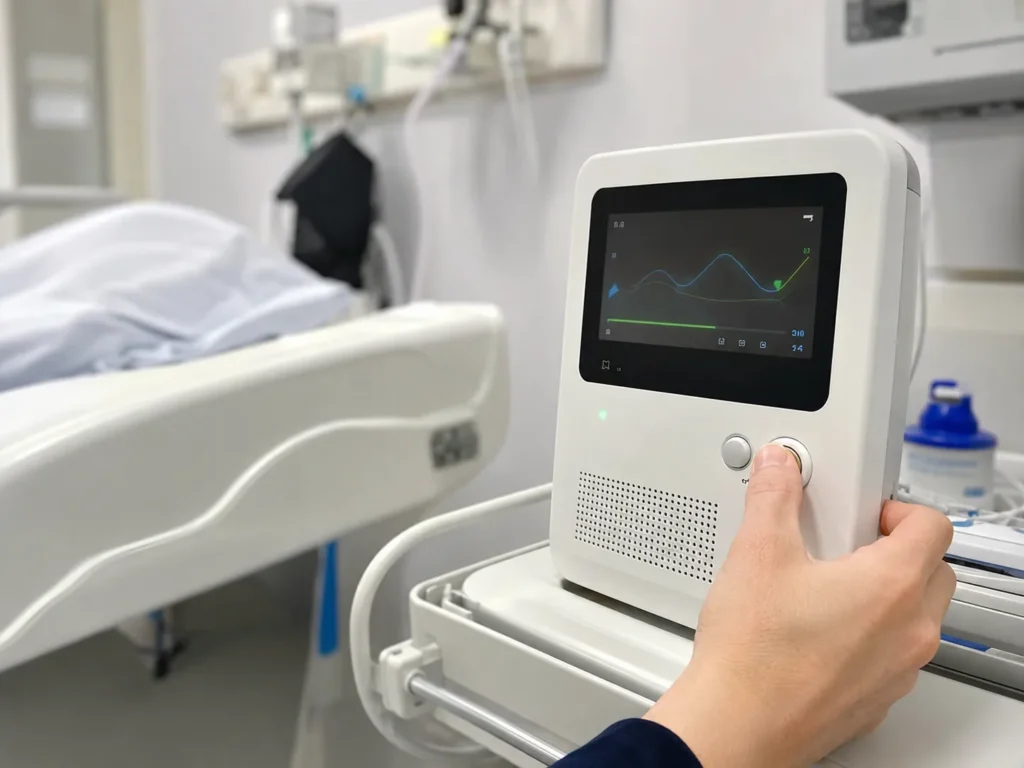
Medical & Alert Devices
Compact equipment may need clear alerts or voice prompts within limited installation space. Driver selection should consider the required sound output, operating conditions and the verification requirements of the finished device.
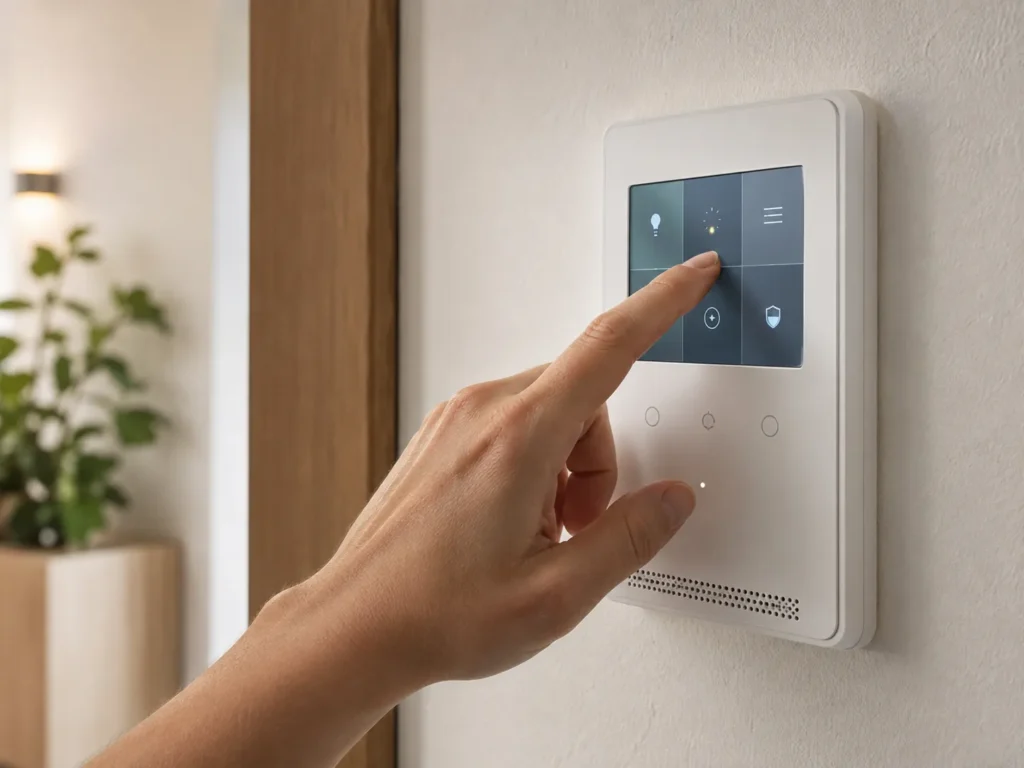
Smart Home & Portable Electronics
Battery power, mounting depth and environmental exposure can influence the design. We can review power consumption, enclosure matching, sealing and connection requirements for the intended use.
01 / ENGINEERING SUPPORT
Dimensions and Construction Developed Around Your Product
Begin with your available space and assembly method. We review the frame, mounting depth, magnet, diaphragm and connections against your drawings and target performance.
An existing speaker platform may provide a starting point, with modifications evaluated where your project needs them.
02 / ENGINEERING SUPPORT
Acoustic Matching for the Complete Assembly
The driver, enclosure and amplifier influence the final sound together. We can review cavity volume, sound-outlet placement and sealing alongside the driver’s electrical and acoustic specifications.
Sample evaluation helps identify resonance, distortion or insufficient output before the design moves into production.

03 / ENGINEERING SUPPORT
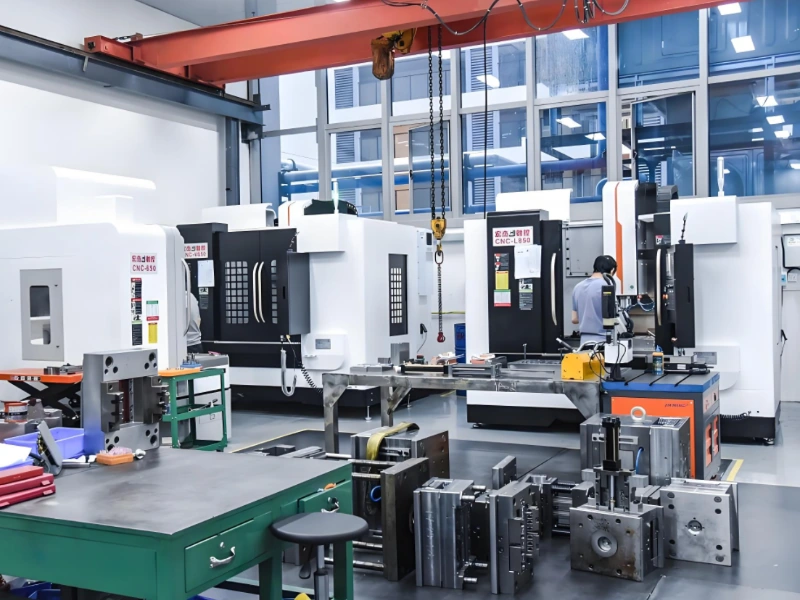
Production and Quality Requirements Defined Early
Specify the dimensions, acoustic checks and reliability requirements that matter to your finished product. Sample approval and agreed inspection criteria give the production team a clear reference.
Discuss your order quantity, delivery schedule and any required test documentation during project review.
04 / ENGINEERING SUPPORT
A Clear Path from Drawings to Engineering Samples
You can start with a drawing, an existing speaker, an enclosure sample or a description of the device. Our team can help identify the information needed for driver selection and sample development.
Share your priorities for sound, installation, cost and timing so we can evaluate the next steps with you.